









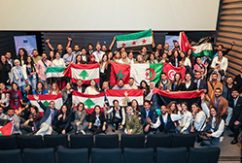


 Algeria
  Egypt
Egypt  Israel
  Jordan
  Lebanon
  Libya
Libya  Morocco
  Palestine *
  Syria
Syria  Tunisia
 StoryLab CONNECT: When Women Journalists Reclaim Their Right to Breathe


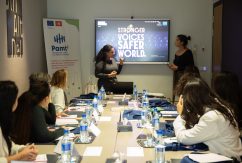
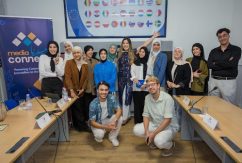
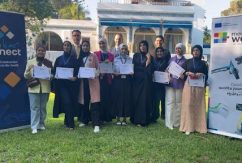
On 4 December in Tunis, StoryLab CONNECT: Gender 16 gathered women journalists from across Tunisia for a rare moment of collective reflection and solidarity. Organised by the regional network Media Connect as part of the global “16 Days of Activism against Gender-Based Violence”, and in collaboration with the EU-funded Tunisian Media Support Programme (PAMT2), the event created a safe and inclusive space to discuss a reality too often overlooked: while women journalists are frequently asked to report on gender-based violence, they are seldom encouraged to speak out about their own experiences.
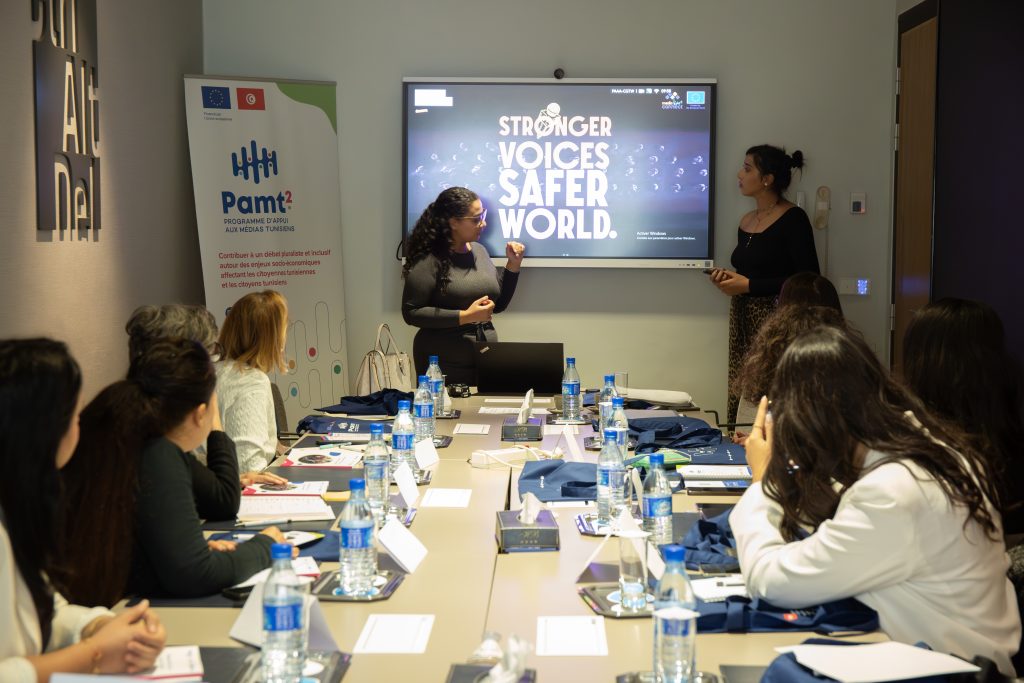
A safe space opens with a breath of fresh air
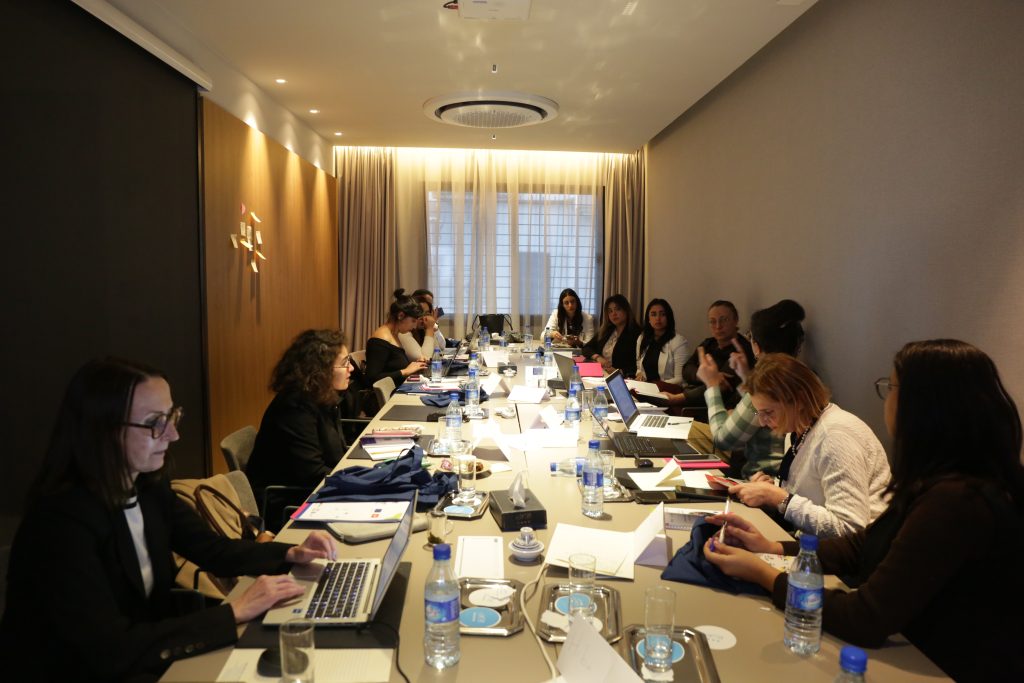
The session began with participants writing their expectations on colourful post-its: hopes to learn more, understand more, feel heard, share, and support each other. One note captured the spirit of the moment: “Breathe in a bit of fresh air.” It reflected how heavy this topic is for many women journalists.
Facilitator Olfa Belhassine opened the discussion by reminding participants that while all journalists face high levels of violence, especially online, women are 27 times more likely to be targeted than men. She led by example, sharing moments of harassment, threats, and intimidation she has endured throughout her career as a journalist and how these episodes have had significant mental and physical health impacts. Her openness set the tone and encouraged younger participants to speak.
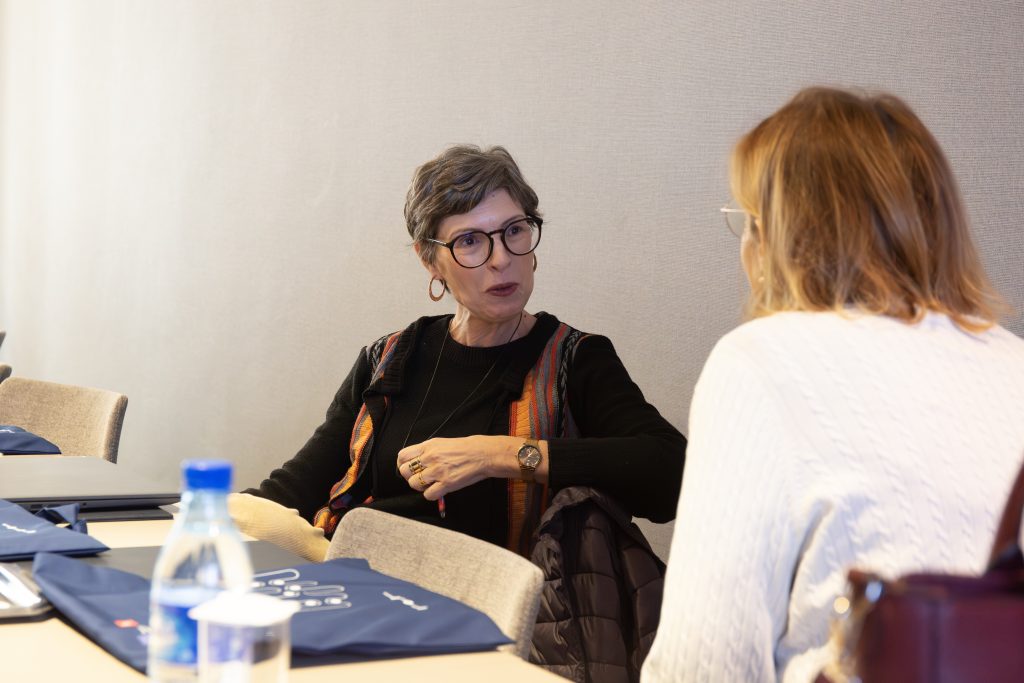 Breaking the silence: stories of violence and moments of solidarity
Women from different generations, some just beginning their careers and others carrying many years of experience, began to speak. At first they spoke cautiously, then with growing confidence. Their words revealed stories that had often remained hidden: online harassment, sexual threats, intimidation, and moments that had left deep emotional scars. The accounts were raw. Voices trembled. A few moments of silence were needed before some participants could continue. Yet every story was received with listening, care, and the relief of finally being heard.
Seasoned journalist Assia Latrous captured the essence of these experiences. These attacks, she explained, are not random. Their purpose is to punish women for daring to be visible in the public sphere. They aim to intimidate and silence them and to make them doubt that they have the right to speak. Sexualised online violence, in particular, is used as a weapon to shame women simply for expressing an opinion.
Despite the heaviness of the testimonies, powerful moments of solidarity emerged. One participant described how, during an online attack, she felt completely alone until fellow women journalists immediately came to her side. They defended her publicly and worked together to have the defamatory content removed. Others recognised the same pattern in their own lives. They stressed that this support network is essential not only to push back against attacks but also to help heal afterward, once the public part of the violence has ended but the emotional impact remains. As Olfa reminded everyone: “Solidarity is the strongest shield we have.”
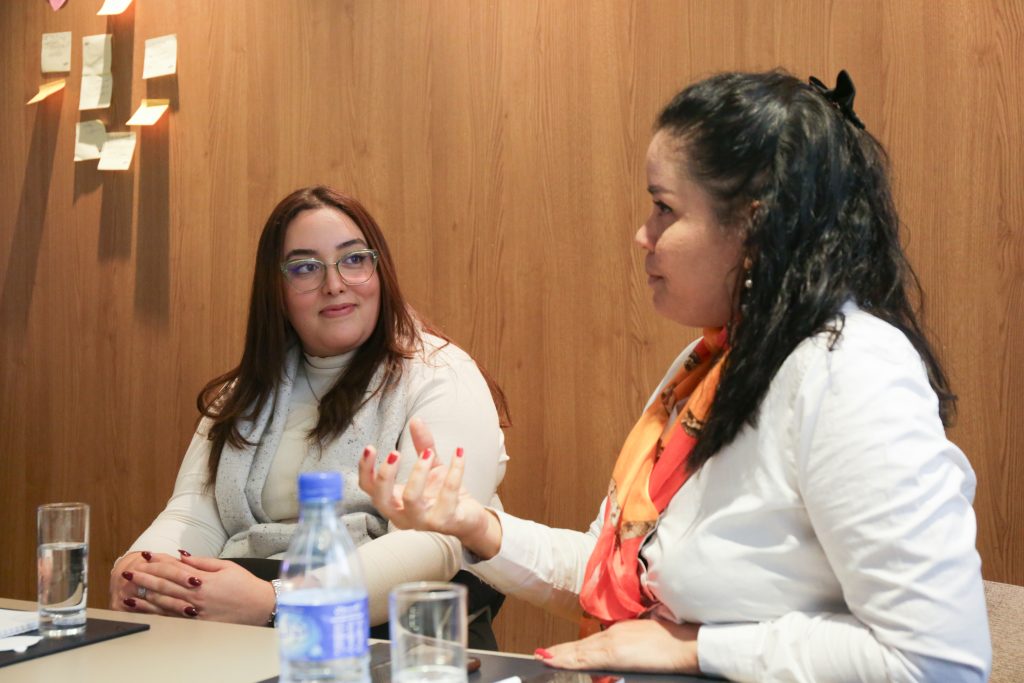
Supporting younger journalists and the role of women in leadership
A key insight that emerged from the discussion was that younger journalists, sometimes still students, were the most vulnerable. Many of them shared that violence begins at the very start of their professional journey, when they have little power, few contacts, and almost no protection. Several described moments when they were harassed during internships, pressured by superiors, or targeted online while still learning how to navigate the media world. This led to an important conversation about the responsibility of more experienced journalists. Participants reflected on how senior women can serve not only as role models but also as mentors who guide younger journalists, support them in difficult moments, and intervene when they face harmful situations. The presence of supportive figures, they said, can completely change the trajectory of a young woman’s career.
Participants highlighted the scarcity of women in decision-making positions. Only about 15 percent of editorial teams in Tunisia are currently led by women. Many noted that this lack of representation reinforces patterns of silence and discourages the creation of safe channels for reporting violence or discrimination. Increasing the number of women who hold editorial authority could transform newsroom culture, make policies more equitable, and create environments where young journalists feel protected, respected, and encouraged to grow.
How violence influences reporting and why constructive journalism matters
The group then discussed how lived experiences of violence shape journalistic work. Many participants noted that mainstream reporting often reinforces harmful narratives through sensationalism, victim-blaming, or language that minimizes violence. Examples included framing a femicide as a “domestic drama” or calling rape “forced sex”, both expressions that normalise abuse or soften its severity. Participants stressed the need for accurate language that does not justify or contextualise violence, and for journalism that supports victims and raises awareness.
This naturally led to the next theme: constructive journalism, which encourages reporting that highlights not only the problems but also the solutions, contributing to social understanding rather than reinforcing stigma.
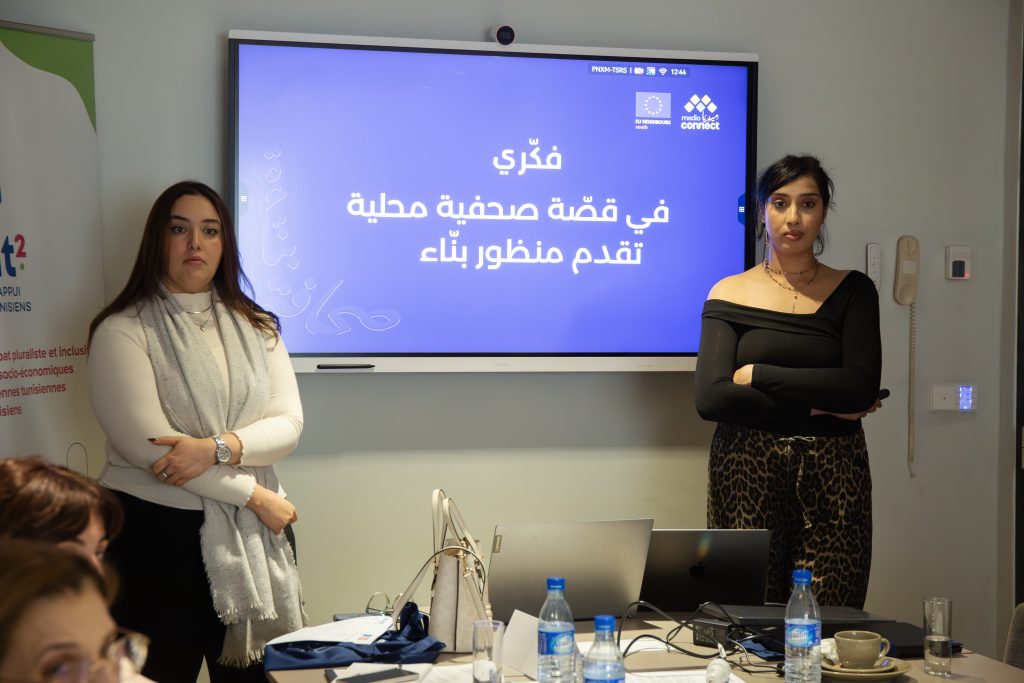
In the second session, Media Connectors Jihen Zemzmi and Asma Sliti introduced participants to the fundamentals of constructive journalism and how it can be applied to stories about gender-based violence. They discussed how this approach differs from traditional journalism, how the two can coexist, and the limits constructive journalism may have for example, in conflict reporting.
This opened a rich discussion on balanced storytelling: how to avoid sensationalism, how to protect sources, how to highlight resilience and solutions, and how to cover violence without normalising it. Participants agreed that combining constructive journalism with a gender-sensitive approach can create safer media environments, support victims, and ensure that the voices of women journalists are neither marginalised nor distorted.
Closing reflections with an afternoon dedicated to concrete tools and action
The day continued with an afternoon workshop titled Gender Based Violence: Recognizing, Protecting Yourself, Acting With It, facilitated by Olfa Belhassine with contributions from experts Khaoula Sliti, a trainer with the International Federation of Journalists, and lawyer and media specialist Ahlem Eddhif. This practical session helped participants identify both visible and invisible forms of gender based violence and understand the legal mechanisms and support systems available in Tunisia. The workshop reinforced the idea that awareness is only the first step. Knowledge of rights, access to legal pathways, and the ability to recognise subtle forms of abuse are crucial for women journalists who often face multiple layers of vulnerability.
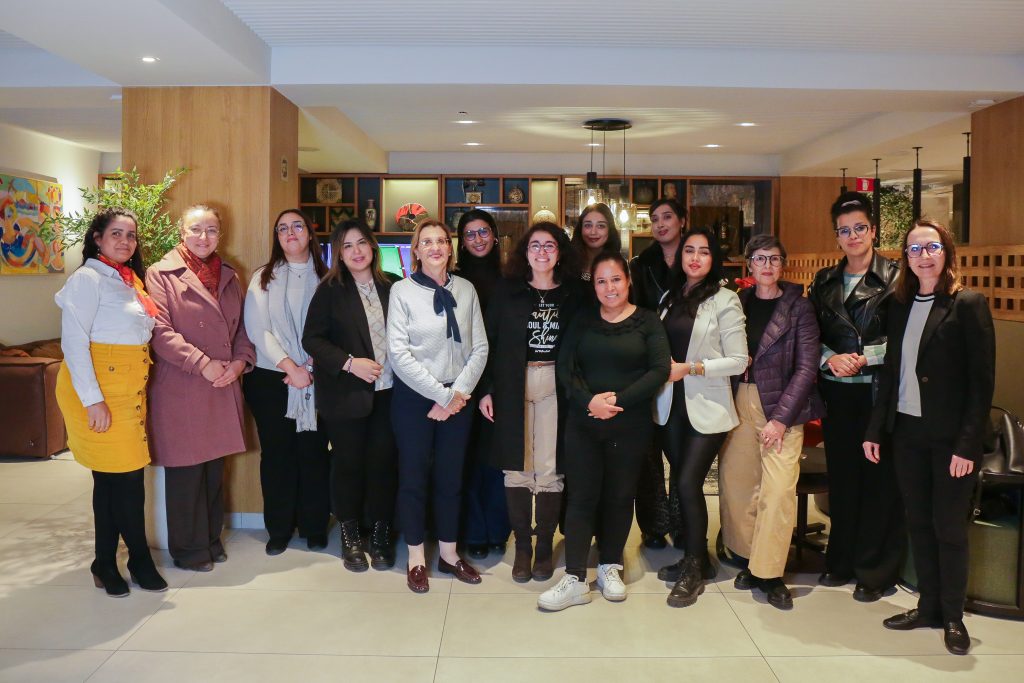
As the event came to a close, participants reflected on the emotional intensity of the day and the strength that emerged from sharing their stories. Media Connector Jihen Zemzmi said, “StoryLab literally enriched me, it gave me the opportunity to highlight the violence faced by women journalists and explore ways to tackle it through constructive journalism and also legal tools. It feels empowering.” Others expressed similar feelings, noting that the experience had helped them understand they were not alone and that their struggles carried meaning when shared within a supportive community.


