












 Algeria
  Egypt
Egypt  Israel
  Jordan
  Lebanon
  Libya
Libya  Morocco
  Palestine *
  Syria
Syria  Tunisia
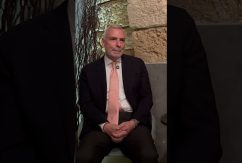
 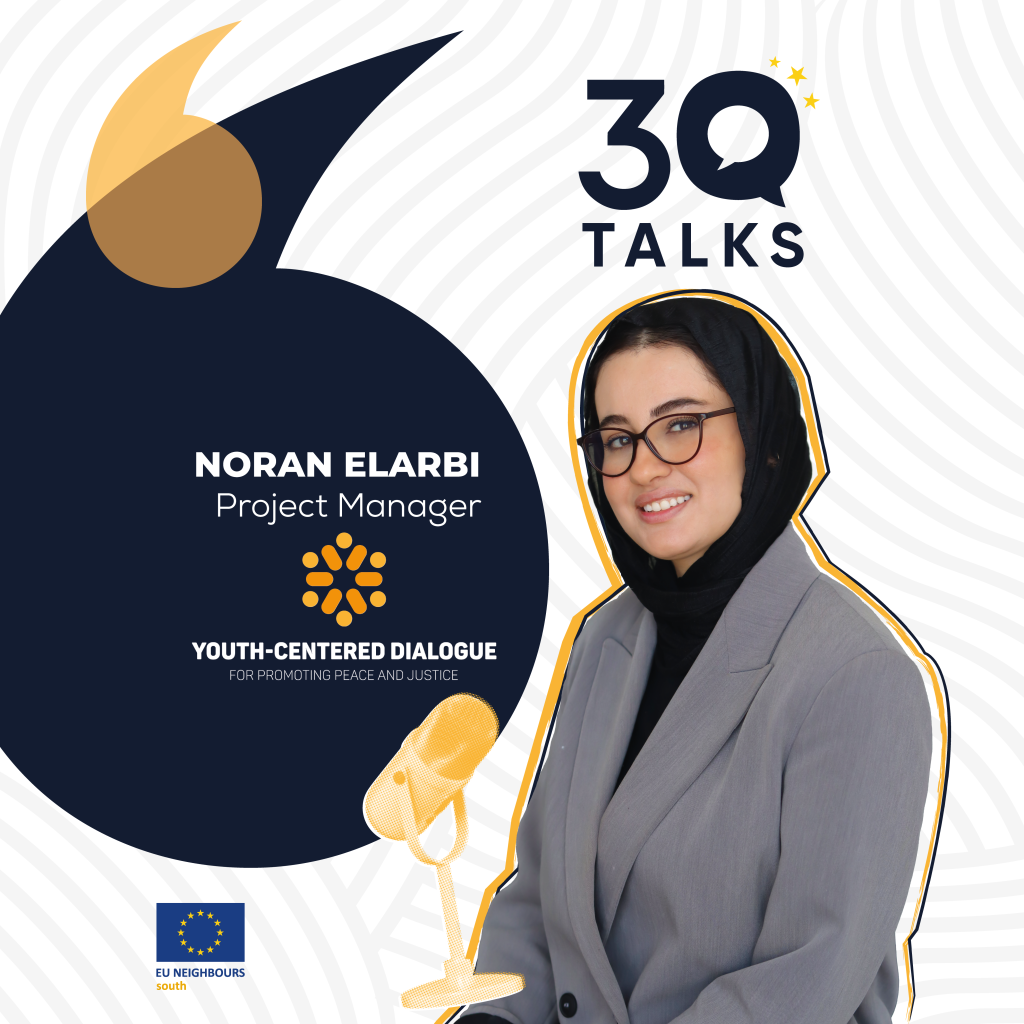 Across the Southern Neighbourhood, the European Union and its partners are working hand-in-hand with civil society to foster inclusion, strengthen dialogue, and build more peaceful and just societies. In Libya, one such effort is the EU-funded project “Youth-Centered Dialogue for Promoting Peace and Justice in Libya,” implemented by CESVI with Tatweer Research. The project empowers youth, women, and children through CSOs, after-school clubs, and youth-focused dialogue on gender justice, creating new spaces for leadership, collaboration, and lasting change. Read more in the following interview with Noran Elarabi, the project manager.
- What is the project “Youth-Centered Dialogue for Promoting Peace and Justice in Libya” and what impact does it seek to achieve ?
This project is the result of a continuous and committed effort that began about five years ago, when CESVI and Tatweer research came together with a shared vision: to make a meaningful impact on Libya’s civil society landscape. The project seeks to contribute to peace and stability in Libya by encouraging policy dialogue around gender justice. More specifically, it empowers youth, women, and children through CSOs, and after-school clubs to challenge and transform harmful gender norms within their communities. This is not the first partnership between CESVI and Tatweer. It comes from CESVI’s deep understanding of the importance of having a local partner not only for their expertise but also for strong local presence and trusted reputation make them an ideal bridge between international efforts and local realities. Tatweer’s involvement ensures that the project is not just externally driven ideas, but truly localized efforts that resonate with the people they’re meant to serve.
- What initiatives, activities, or opportunities does the project create for youth in Libya?
The project has a particular focus on promoting youth engagement and enhancing women’s representation at all levels. It is also facilitating a structured peer exchange program. Through reverse mentorship and collaborative learning, Libyan youth from CSOs will engage with international counterparts to share experiences, adopt best practices, and co-develop sustainable strategies. This exchange will empower youth with new perspectives and practical tools for organizational growth. Additionally, the project will organize a CSO–Private–Public Sector Networking Event focused on funding opportunities. This strategic event will bring together CSOs, private sector entities, and public institutions to explore collaborative funding models. At least 50% of the initiatives showcased will be led by women, reinforcing the project’s commitment to gender-inclusive development. Through these activities, the project will foster a vibrant ecosystem of collaboration, enabling CSOs to align efforts toward shared national goals, diversify funding sources, and amplify youth leadership in Libya’s civic landscape.
- Looking back, what is one piece of advice you wish someone had given you at 20?
Never stop seeking opportunities to learn, grow, and challenge yourself. The most valuable experiences come from stepping into spaces where I didn’t have all the answers, where things felt unfamiliar, even uncomfortable. It’s in those moments, when you’re outside your comfort zone, that real growth happens. I’ve never regretted the times I chose to try something new, even when the outcomes weren’t perfect. What I do regret are the chances I didn’t take and the learning opportunities I passed up. So,keep showing up for new experiences, keep learning, and never believe you’ve reached your peak. Growth is a lifelong process, and every step into the unknown is a step toward becoming who you’re meant to be.


