






 Algeria
  Egypt
Egypt  Israel
  Jordan
  Lebanon
  Libya
Libya  Morocco
  Palestine *
  Syria
Syria  Tunisia
 The EU’s New Pact for the Mediterranean: Opportunities Ahead for Regional Energy Cooperation


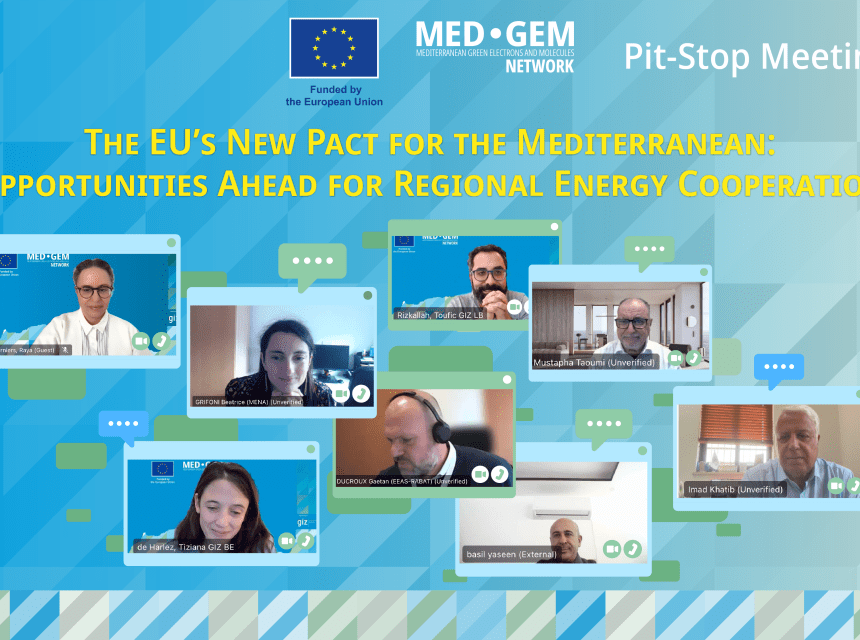
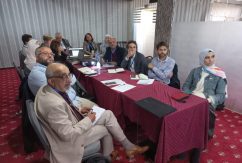
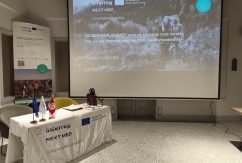
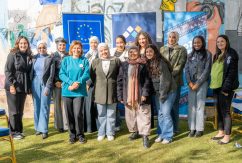
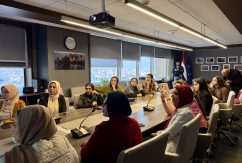
The MED-GEM Network dedicated its fourth PITSTOP meeting to exploring the significance of this political and strategic milestone. Bringing together National Focal Points, representatives of energy institutions from across the Southern Neighbourhood, EU Delegations and the MED-GEM regional team, the session offered a unique opportunity to reflect on how this Pact will reshape Euro-Mediterranean cooperation; particularly in the field of energy transition and green hydrogen, where MED-GEM plays a central role. The meeting was marked by a keynote presentation from Beatrice Grifoni, Programme Manager at DG MENA.A2 (European Commission), who introduced the PactMed and explained how it will frame future cooperation between the EU and Southern Mediterranean partners.
Adopted by the European Commission in October 2025, the Pact for the Mediterranean represents the most comprehensive renewal of Euro-Mediterranean relations in decades. Designed jointly by the European Commissioner for the Southern Neighbourhood and the High Representative/Vice-President, it calls for a deeper, more balanced partnership based on trust, shared responsibilities and mutual interests. One of the strengths of the PactMed is that it does not replace existing regional structures; it consolidates them. Several long-standing cooperation mechanisms, particularly those connected to energy transition, are integrated within the Pact’s architecture. Among them, the Trans-Mediterranean Renewable Energy and Clean Tech Initiative (T-MED) , which supports regional dialogue on green hydrogen, interconnections, markets and infrastructure, is explicitly recognised as one of the initiatives contributing to the PactMed’s objectives. This is particularly relevant for the MED-GEM Network, who offered a comprehensive presentation on T-MED by Matthieu Craye of DG ENER at the last Steering Committee Meeting in Rotterdam, and whose mandate aligns closely with the PactMed’s aspirations for greener, more competitive and more integrated economies across the Mediterranean.
Beatrice Grifoni underscored that the PactMed builds on the 2021 Agenda for the Mediterranean while going much further in scope, ambition and political depth. It envisions a Mediterranean region where people are placed at the centre of the transformation, where economies become more resilient and interconnected, and where security and migration are addressed through shared responsibility and preparedness. The PactMed foresees, among other flagship initiatives, the creation of a Mediterranean University; an institution with campuses distributed across the region, fostering academic excellence, research mobility, and innovation.
For the MED-GEM Network, the PactMed offers both a strategic framework and a unique opportunity. By reinforcing regional cooperation, strengthening connectivity and supporting the deployment of clean energy technologies, MED-GEM’s mission to accelerate the green transition across the Mediterranean aligns directly with the PactMed. The Network will continue to act as a bridge between national energy institutions, EU stakeholders and regional platforms such as T-MED. It will also play a proactive role in ensuring that partner countries’ expertise and priorities are fully reflected in the forthcoming Action Plan.
As the session concluded, participants expressed appreciation for the clarity of the presentation and the importance of keeping technical actors fully informed. With the PactMed entering its implementation phase in 2026, MED-GEM remains committed to supporting regional cooperation; ensuring that the Mediterranean moves forward as one region with one shared future, in line with the values and principles of the European Union.
Countries covered:
-
 Algeria
-
Egypt
-
Israel
-
Jordan
-
Lebanon
-
Libya
-
Morocco
-
Palestine *
-
Syria
-
Tunisia