





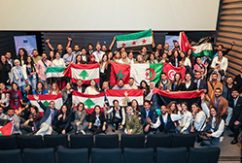


 Algeria
  Egypt
Egypt  Israel
  Jordan
  Lebanon
  Libya
Libya  Morocco
  Palestine *
  Syria
Syria  Tunisia
 PAMT 2 Unifies Media Initiatives in Tunisia


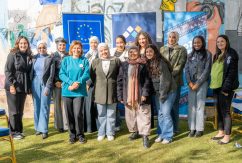
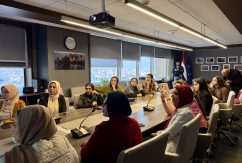
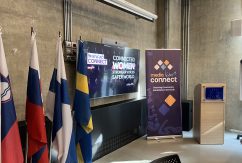
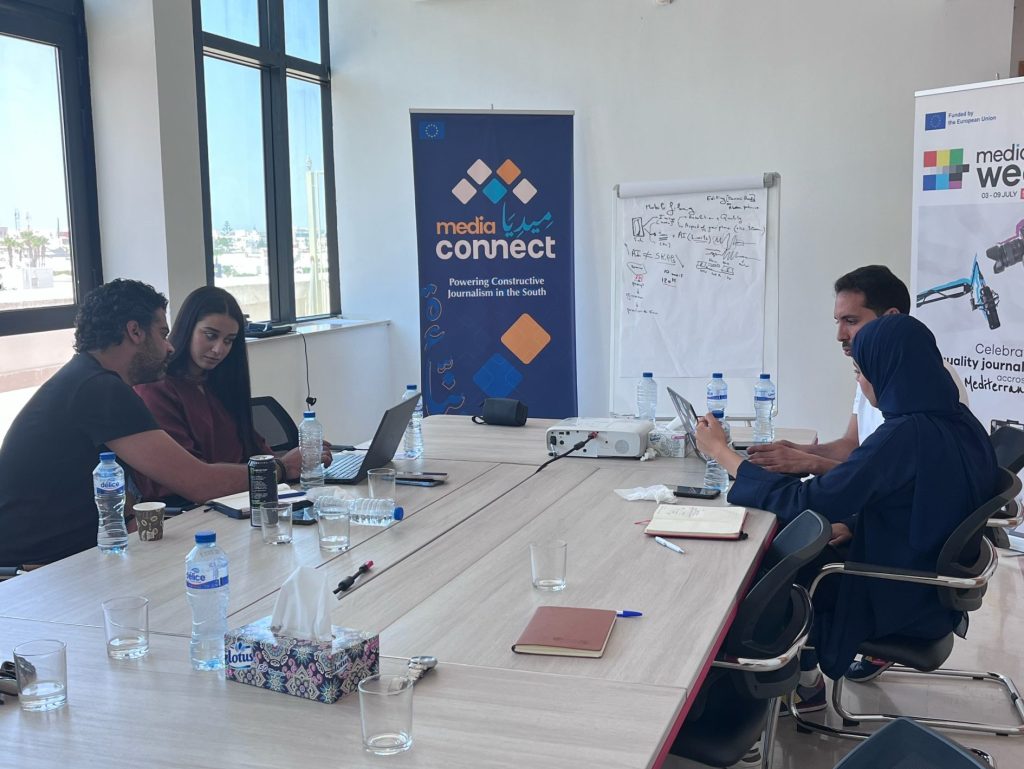
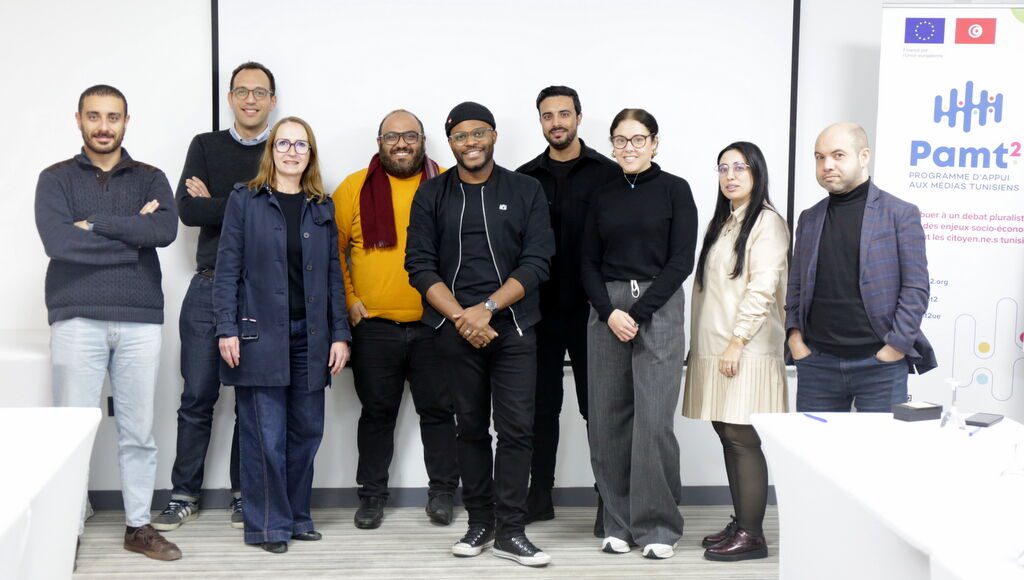
On 8 and 9 July 2025, the EU funded Media Support Programme in Tunisia (PAMT 2) hosted the Newsroom Connect Tunisia team, an initiative of the Media Connect network of the EU Neighbours South programme. The editorial hackathon brought together young journalists and students from the Institute of Journalism and News Sciences to produce multimedia content and discuss constructive solutions to regional challenges, in an experience characterized by exchange and creativity and reflected a commitment to supporting a new generation of media professionals and promoting independent journalism in Tunisia.
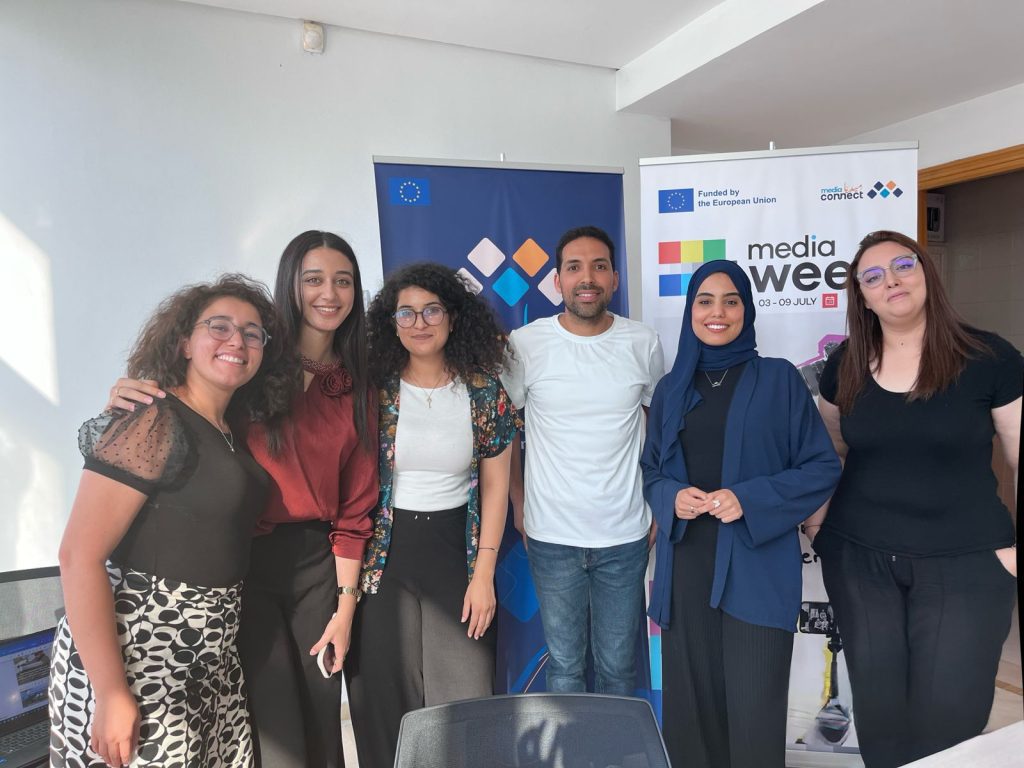
In a lively and friendly atmosphere, the headquarters of the Media Support Programme in Tunisia (PAMT 2) hosted the activities of Newsroom Connect Tunisia 2025 as part of Media Week. This editorial hackathon brought together students from the Institute of Journalism and News Sciences with trainers and experts, with the aim of experimenting with the production of multimedia content that highlights constructive solutions to regional challenges, in an interactive format that fosters the spirit of collaboration and creativity. Yasmine El Mestouri, one of the young participants, describes her experience: “It wasn’t just a simple media event, it was a real open space, where I found my voice heard and I exchanged ideas freely”
Her testimony captures the essence of an experience that allowed young people to explore their potential and engage in conversations rooted in a shared belief in the value of local media and its capacity to drive change. Far from ending here, such experiences embody the profound human impact that PAMT 2 seeks to strengthen, while opening the way to a deeper understanding of the program’s role in supporting Tunisian media. Through its diverse training initiatives, PAMT 2 is committed to fostering professionalism and independence, and to nurturing a journalism that remains close to society.
Local media makes a difference with European support
The participation of Ishraq Gharbi, director of North FM in Beja, in one of the sessions of the EU-funded PAMT 2 programme in Tunisia was a milestone in her career. The experience not only provided her with practical tools to develop management skills but also gave her renewed confidence that local media can reshape its role and responsibilities even outside the capital. “It wasn’t just a training course, it was a real opportunity to understand the fundamentals of management, draw a marketing plan for the radio, set business goals, and lead a whole team professionally”, says Ishraq.
Ishraq’s story is not an exception but rather a reflection of the program’s holistic approach to supporting media professionals across the country—from established institutions to emerging initiatives, from seasoned journalists to new voices. This approach was equally evident when the program hosted the Newsroom Connect Tunisia team in a dynamic editorial hackathon, where fresh energies converged with enthusiasm and renewal—yet another step toward strengthening journalism that is independent, professional, and deeply connected to the community.
PAMT 2: A compass at the heart of the media arena
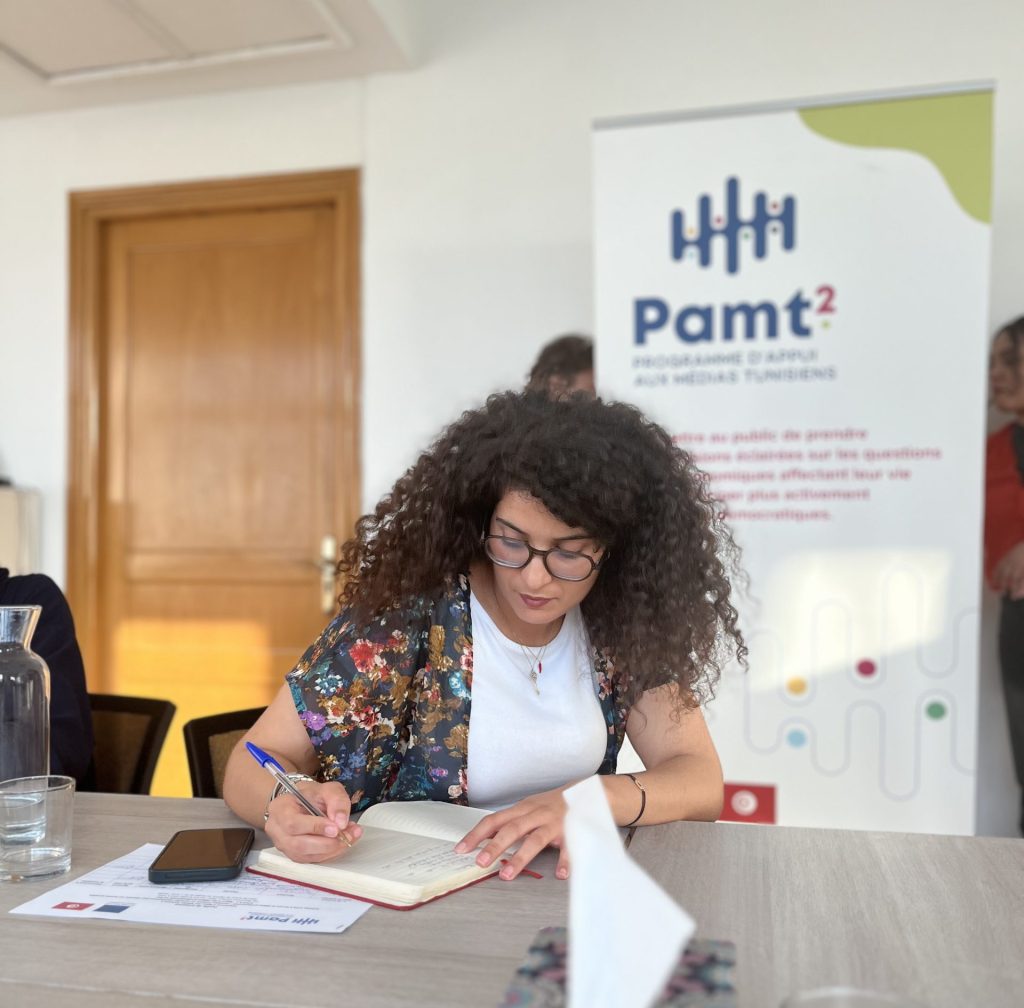
The second phase of the Programme d’Appui aux Médias Tunisiens (PAMT 2) was launched in March 2021 with the support of the European Union and will run until March 2026, with a budget of approximately €4.5 million. The programme seeks to strengthen the capacity of Tunisian media institutions to deliver reliable and diverse content, with particular emphasis on economic and social issues. Implemented by the French agency CFI in partnership with international organisations such as Deutsche Welle, Article 19, Akademie, and France Médias Monde, PAMT 2 is structured around six main pillars: enhancing professional organisations, supporting public media, improving the management of media institutions, fostering innovative content, facilitating access to information, and promoting media culture among the public. Through these efforts, the programme aspires to help shape an independent, open, and high-quality media landscape.
Vocational training at the heart of the media support programme
Multiple professional groups benefited from training opportunities provided by PAMT 1 and PAMT 2 programmes, funded by the European Union. The PAMT 1 programme (2017–2020) was an important milestone in support of the Tunisian media, with the organisation of 149 training courses and 210 field activities, benefiting some 1,600 journalists from across the country. This phase focused on promoting professionalism, independence and responsible coverage, and its results formed a key pillar for the launch of the second phase of the PAMT programme 2). Between 2021 and 2026, PAMT 2 broadened its scope of action to reach a wider range of stakeholders: women journalists, professionals working in public, private and associative media, spokespersons and liaison officers from government institutions, directors of media organisations, as well as civil society actors active in the media sector. Training topics covered diverse and timely areas, including the safety of women journalists during elections, economic and social journalism, podcasting, digital transformation, fact-checking, and public communication. In addition, at least 17 liaison officers from 14 ministries benefited from specialised workshops on mobile media and crisis communication. Together, these activities demonstrate the programme’s commitment to fostering an independent, professional, and inclusive media landscape that responds to Tunisia’s democratic and digital transformations.

PAMT 2: A page folds or a new chapter is written?
In PAMT 2 workshops, journalists often arrived with questions and uncertainties, yet the sessions quickly evolved into spaces of openness, exchange, and co-creation. The programme offered more than technical support; it provided a human experience that encouraged participants to reflect on their role as agents of change within their communities. What made the experience even more meaningful was its decentralised nature: from north to south, from local radio stations to digital platforms, participation was diverse and the impact tangible. PAMT 2 was built on the conviction that local media carries genuine value, and that strengthening the skills of journalists is an investment in democracy and social cohesion.
As 2026 approaches, the conclusion of the programme does not mark an ending but rather a new beginning, raising important questions: What lies ahead? How can this momentum be sustained? Could it pave the way for a third edition that responds to the profound transformations of the media landscape and continues to accompany the Tunisian press on its path towards independence and professionalism? The answers may not yet be certain, but what is clear is that the seeds planted by PAMT 2 in the hearts and minds of hundreds of journalists and communication professionals will continue to grow and bear fruit long after the programme’s second edition comes to a close.


