









 Algeria
  Egypt
Egypt  Israel
  Jordan
  Lebanon
  Libya
Libya  Morocco
  Palestine *
  Syria
Syria  Tunisia
 Targeted online: How digital platforms are fueling violence against women journalists


“I couldn’t imagine what would happen to me if my family knew about the terrifying experiences I went through.” This fear is not uncommon. It is a reality faced by women journalists. Yet, despite its scale and impact, technology-facilitated gender-based violence does not receive the visibility it deserves, either globally or in Tunisia. Silence, stigma, and fear of professional and social consequences continue to force women journalists to endure abuse alone.
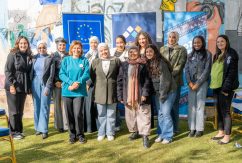
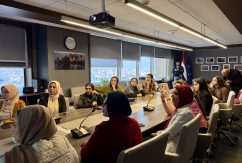
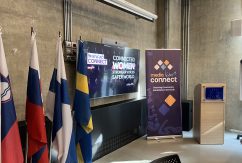
To break this silence and create impact, the regional network Media Connect, in collaboration with the EU-funded Tunisian Media Support Programme (PAMT2), organised StoryLab CONNECT: Gender 16 on 4 December in Tunis as part of the global 16 Days of Activism against Gender-Based Violence. The event provided an inclusive and safe space rooted in intergenerational female solidarity, bringing together senior journalists, young professionals, and journalism students to confront a problem that is too often normalised.
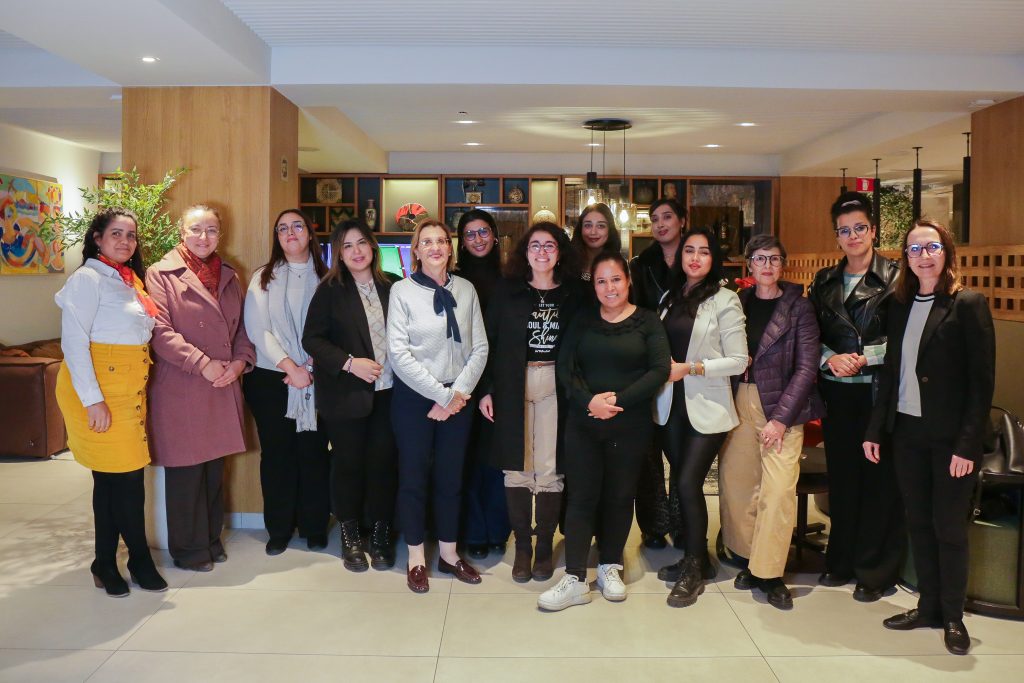
A safe space where stories could finally be told
StoryLab CONNECT began with an honest and emotionally charged discussion. Women journalists shared stories they had long kept to themselves or confided only to a trusted few. These testimonies, spanning different life stages and involving various perpetrators, echoed the same forms of violence: harassment, manipulation through false promises of recruitment, and unsolicited sexually explicit messages.
“I could not imagine what would happen to me if my family knew about the terrifying experiences I went through,” said B.A., a senior journalist. “I come from a very conservative background, and I am sure they would have prevented me from continuing in journalism, which is my ultimate passion and the reason I exist.” B.A. emphasised how crucial safe spaces like this are – not only to prevent abuse by exposing perpetrators and their tactics, but also to raise awareness, provide guidance, and show women where to seek help when violations occur.
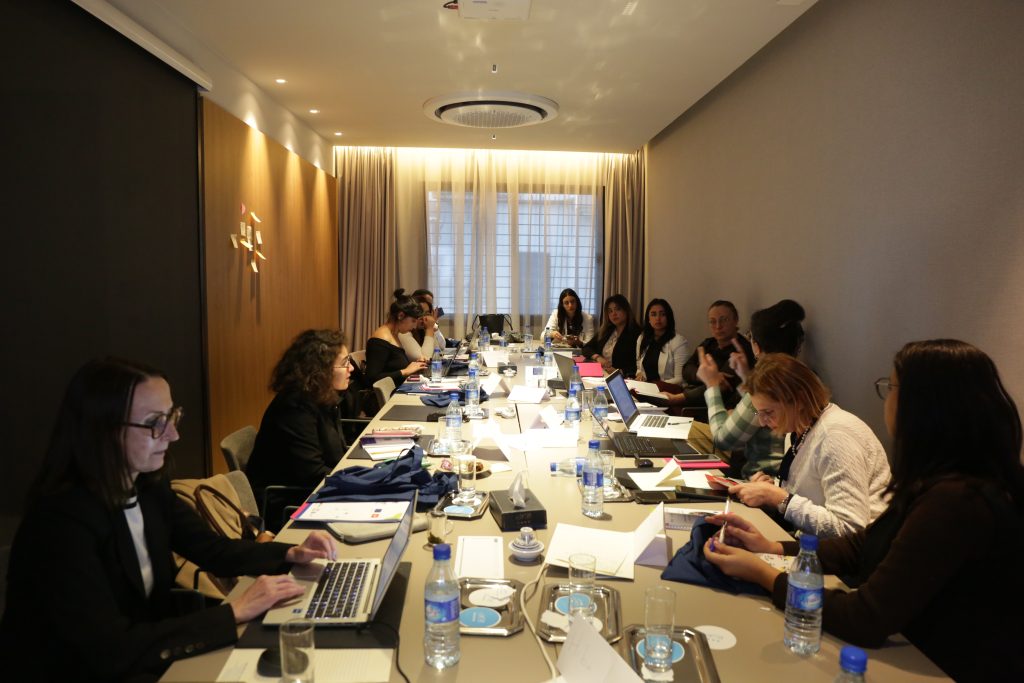
“The voice of society” and the burden of self-blame
As the discussion unfolded, a striking reality emerged: safe spaces for women journalists remain scarce in Tunisia. Many participants admitted they had blamed themselves for the violence they experienced, wondering what they could have done differently to protect themselves or their female colleagues.
Others firmly rejected this narrative. “That inner voice telling you it is your fault is not yours; it is the voice of society,” one participant said. Session facilitator Olfa Belhassine strongly supported this view. The energy in the room was palpable, filled with compassion, empathy and solidarity.
From online abuse to real-life threats
While the testimonies varied, one common thread stood out: at some point in their careers, many women journalists did not know where to turn when cyberviolence escalated. This made the second session particularly impactful. Led by Khaoula Sliti, security trainer with the International Federation of Journalists, and Ahlem Beddhif, lawyer, the session addressed technology-facilitated gender-based violence from both legal and digital security perspectives.
The urgency is undeniable. According to the UN Women report funded by the European Union, “TIPPING POINT: The Chilling Escalation of Online Violence Against Women in the Public Sphere,” over two-thirds of women journalists, human rights defenders and activists experience online violence, and more than 40% have been attacked offline as a result.
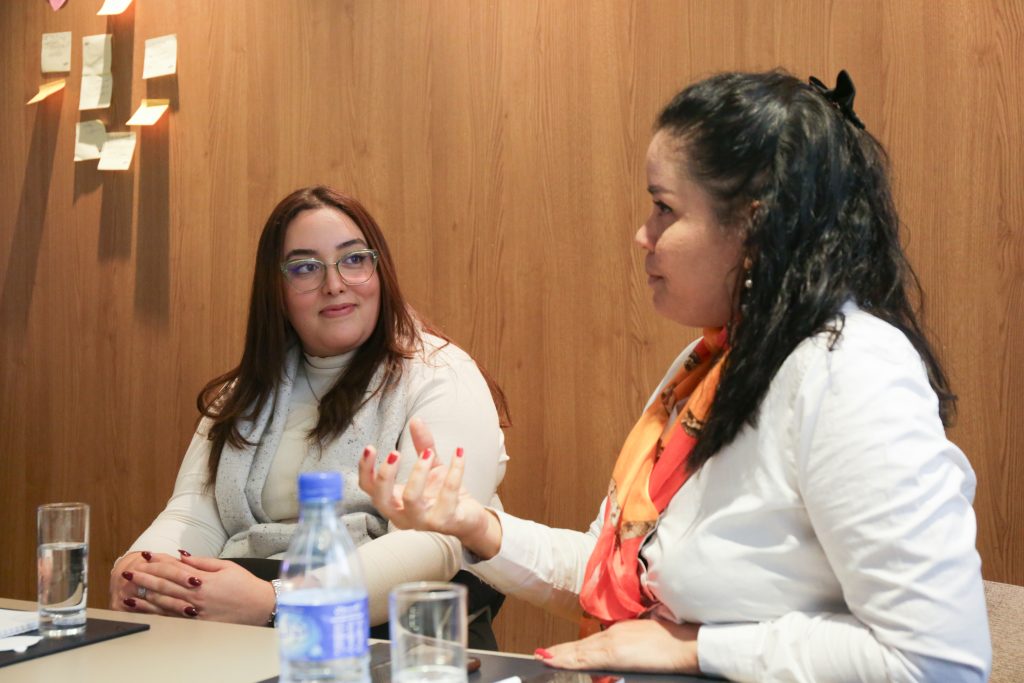
When reputation is attacked
A journalist we will call Noura described a deeply disturbing incident. One morning, she discovered that a male colleague had posted false accusations on Facebook, claiming she was a prostitute who worked only for money. The post was seen by many mutual contacts, most of them journalists. Her reputation was instantly undermined.
Initially paralysed, Noura did not know how to respond. Colleagues eventually intervened and the post was removed. She chose not to take legal action, a decision she later attributed to inexperience. Instead, she reduced her online exposure and tightened control over tagging and visibility.
Radhia, a senior journalist using a pseudonym, shared a similar experience. Because her work involves sharing national and international news, she keeps her Facebook comments open. After posting a message supporting imprisoned women journalists and human rights defenders, she was overwhelmed by hateful and abusive comments targeting her and her family. There was no debate, only insults.
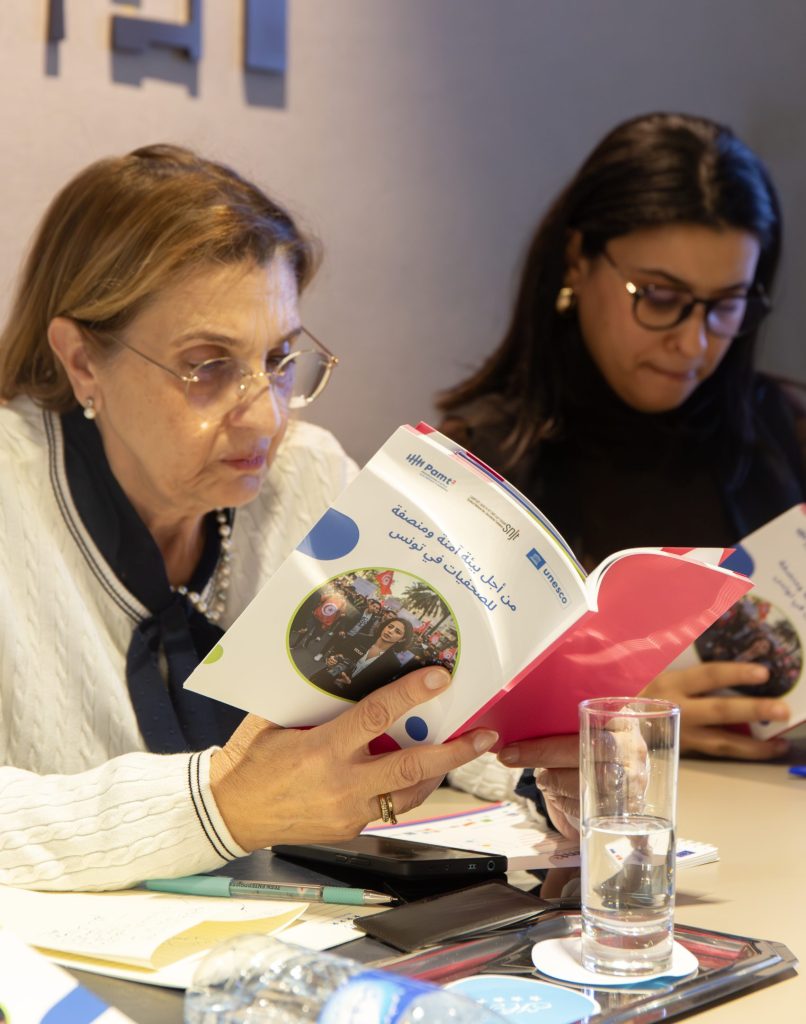
Numbers that do not tell the whole story
In its Ninth Annual Report (November 2024–October 2025), the National Union of Tunisian Journalists recorded 13 gender-based attacks against women journalists in Tunis, seven of them online. Khaoula Sliti questioned these figures, noting that if Tunis alone accounted for 13 cases, the reality nationwide is likely far higher. Many women, she explained, do not report abuse due to fear, pressure, or lack of trust in reporting mechanisms.
Beyond an event: a collective moment of healing
Ahlem Beddhif and Khaoula Sliti closed the session by outlining legal protections, digital safety practices, and practical strategies, responding directly to participants’ concerns and offering concrete tools for protection online and offline. The impact of StoryLab CONNECT: Gender 16 was clear by the end. Participants stayed long after the session ended. Conversations continued, contacts were exchanged, and calls for similar initiatives across the EU Neighbourhood South grew. Solidarity among women journalists was palpable, and it emerged as a powerful form of resistance to technology-facilitated violence.


