










 Algeria
  Egypt
Egypt  Israel
  Jordan
  Lebanon
  Libya
Libya  Morocco
  Palestine *
  Syria
Syria  Tunisia
 Addressing violence against women, children and other vulnerable groups


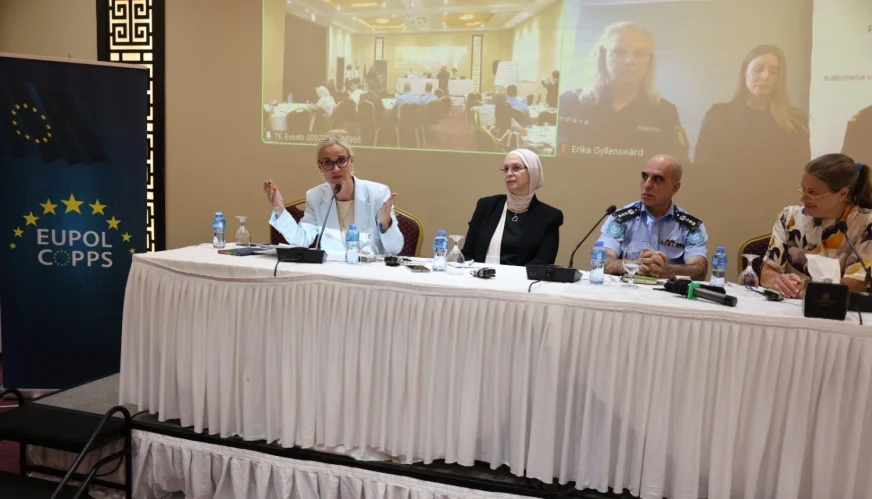
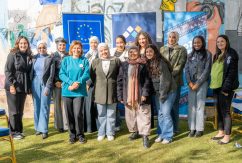
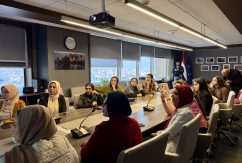
To enhance justice and protect the most vulnerable individuals in the Palestinian society, EUPOL COPPS organises a workshop on 16-17 September bringing together Palestinian and Swedish experts to share knowledge and experiences in addressing violence against women, children and other vulnerable groups. Generating dialogue, sharing best practices, and inspiring co-operative approaches to strengthening justice systems and victim protection frameworks constitutes the core of the event agenda.
Palestinian Civil Police (PCP) officers, lawyers, civil society representatives, prosecutors, relevant government bodies, interact with Swedish police officers, prosecutors, social services and Civil Society Organisations (CSOs) and EUPOL COPPS advisors, sharing their experiences on international standards and conventions, exploring synergies within the Palestinian national legislative context. Discussions also focus on how authorities and civil society can cooperate to prevent violence and support victims.
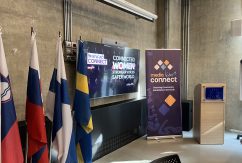
The event was opened by Deputy Minister of Women’s Affairs, Buthaina al Salem, Swedish Consul General, H.E. Sofie Belfrage Becker and Assistant Chief of Police for Criminal Investigation Department (CID) Abdallah Alewi and EUPOL COPPS Head of Mission Karin Limdal. The Deputy Minister outlined, among other things, the need for a Palestinian Legal Aid system, Brigadier Alawi pointed to the need for capacity building and logistic support for the PCP’s One Stop Shop centres and shelters while Mrs Belfrage Becker highlighted that during crisis there is an increased need for all relevant actors need to work together.
In her opening address, EUPOL COPPS Head of Mission, Karin Limdal, stressed that there is a shared responsibility to counter gender-based violence and that violence against women, children, and other vulnerable persons is not only a violation of individual rights. It is a crime and a threat to the very fabric of societies, she said, reminding everyone of the lack of a Family Protection Law in Palestine. The exchanges provide a comparative approach to better understand both the differences and shared challenges across justice chain.
Countries covered:
-
 Palestine *