















 Algeria
  Egypt
Egypt  Israel
  Jordan
  Lebanon
  Libya
Libya  Morocco
  Palestine *
  Syria
Syria  Tunisia
 EU Statement – UN Security Council: Situation in the Middle East


The European Union remains strongly committed to peace, security, and stability in the Middle East region.
The EU calls for an immediate ceasefire in Gaza and the unconditional release of all hostages, leading to a permanent end to hostilities. It deplores the dire humanitarian situation in Gaza, the unacceptable number of civilian casualties and the levels of starvation. The EU calls on Israel to fully lift its blockade on Gaza, to allow immediate, unimpeded access and sustained distribution of humanitarian assistance at scale into and throughout Gaza and to enable the UN and its agencies, and humanitarian organisations, to work independently and impartially to save lives and reduce suffering. Israel must fully comply with its obligations under international law, including international humanitarian law. The EU recalls the imperative of ensuring the protection of all civilians, including humanitarian workers, at all times, as well as of civilian infrastructure, including medical facilities, schools and UN premises. It deplores the refusal of Hamas to hand over the remaining hostages. The EU stresses the essential role of the UN and its agencies, notably UNRWA, which provides crucial support to the civilian population, both in Gaza and the wider region.
The EU strongly condemns the further escalation in the West Bank, including East Jerusalem, following increased settler violence, the expansion of illegal settlements, Israel’s military operation and increased terrorist attacks against Israel. The European Council reaffirmed the EU’s commitment to a lasting and sustainable peace based on the two-state solution, with the State of Israel and State of Palestine, living side by side in peace, security and mutual recognition.
With regards to Syria, the EU is committed to supporting a peaceful and inclusive, Syrian-led and Syrian-owned transition to help build a better future for all Syrians and it will continue engaging with the transitional government and working closely with regional and international partners to that aim. The EU welcomes the commitment by the transitional government to build a new Syria based on national reconciliation, rule of law, and separation of powers, and the initial steps taken in this regard. Human rights and fundamental freedoms must be respected, protected and fulfilled for everyone in Syria from all ethnic and religious backgrounds without discrimination. Women have a fundamental role to play in the new Syria. Syrian civil society, free and independent media, and the Syrian diaspora community have a crucial role to play to ensure the success of Syria’s transition.
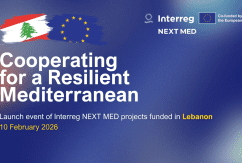
On Lebanon, the EU reiterates its support for the Lebanese people and welcomes the efforts of the new authorities to stabilise the economic and security situation. It encourages the Lebanese authorities to accelerate the process of reforms expected by the Lebanese people, in order to enable the reconstruction of the country. The EU recalls the fundamental stabilisation role of the United Nations Interim Force in Lebanon (UNIFIL) in southern Lebanon, to which EU Member States significantly contribute, and commends UNIFIL’s effective cooperation with the Lebanese Armed Forces, which is critical for the implementation of the ceasefire agreement and UNSCR 1701. The EU will continue supporting the LAF to this effect, notably through the European Peace Facility.
Countries covered:
-
 Lebanon
-
Palestine *
-
Syria